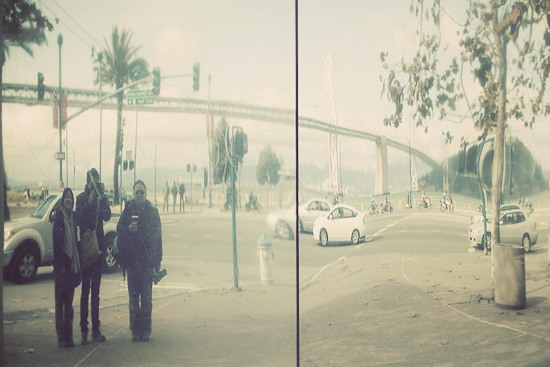
Vancouver has often been a layover point for me. It’s the gateway to Whistler, the popular winter resort in the Pacific Ranges of British Columbia. From past snowboarding trips, I’ve seen Vancouver from the windows of a coach bus as it made its way from the airport to downtown, picking up snow-bound passengers from various hotels and shuttling them 80 miles north of the city. Obviously in the middle of winter, Vancouver is very similar to what you imagine any seaside town in the Pacific Northwest to be like; cold, wet, and blustery, the dreary weather further exacerbated by short days and long nights. I’ve considered extending my visits an extra day or so, to take in the city, but back then the thought was not terribly enticing on the tail end of an exhausting snowboarding trip. I have been to Vancouver once before in the summer, and the city, surrounded by emerald-blue waters and stunning vistas of the North Shore Mountains, positively sparkled. The residents definitely took advantage of the long summer days and beautiful weather, flocking to the cafes, shorelines, trails, and waterways that abound the city.
With the 2010 winter olympics right around the corner, and subsequent renewed interest in the region (a multitude of food and travel articles, of course), it seemed like a good chance to visit Vancouver and Whistler once again; this time with a couple of days to spend in the metropolis. Regardless of the bleak winter weather, Vancouver is a food town, one that can easily compete with the likes of San Francisco and New York (but on a smaller scale), and that was enough reason to overcome any previous hesitations.

After a late evening flight from Los Angeles, our first stop and place of refuge was the Loden, situated on the fringe of the upscale Coal Harbor neighborhood in downtown Vancouver. This 77 room hotel is a prime example of what every boutique hotel should be: modern, sleek, luxurious, and comfortable, with well-designed and thought out rooms. Not too big, not too small. Service was top-notch, courteous, and never stuffy. We loved everything and every minute spent here, and to boot, the rates during this time of the year were a steal.

lobby; dining room at Voya
Voya, the in-house restaurant at the Loden is helmed by Marc-André Choquette, previously executive chef at renowned Vancouver mainstay Lumière (a place I wanted to try until I heard the Daniel Boulud empire took it over.) Usually shying away from hotel restaurants, I sort of overlooked this place. The dining room, chic in a 40’s retro-glam sort of way, is elegant but cozy. We’ll have to add it to our list for next time.

More often than not boutique hotels are no more than lipstick on a pig: old rooms with a fresh coat of paint, funky artwork, and designer toiletries, and yes, the obligatory neon lit elevators gently pulsating with deep house or downtempo. Fortunately for us the Loden caters to a more business-oriented clientele, and coddles the guest with refined interiors; dark wood-veneered panels, black marble tile, fluffy down pillows and sumptuous high thread count linens, with attention to detail that leads you to think that each room isn’t mass produced but a luxurious personal residence. I found myself inspecting and admiring all the details, and couldn’t stop wondering how I could incorporate some of the ideas into my own bedroom.


We woke up the next morning to luck would have it, clouds and a drizzling of rain (which would be the forecast for the majority of our visit). Armed with a hotel umbrella and warm coats, we headed out for a casual walk along the waterfront towards historic Gastown, where our first meal would be. Our reservation for lunch wasn’t for another hour or so, and it wasn’t long before we were distracted and decided to stop for a spontaneous pre-meal snack.

Located in a vast, light-filled space with floor to ceiling windows, Miku is the antithesis of the traditional Japanese restaurant. Its sleek and sculpted interior blends opulent materials like glass, leather, and marble with natural elements of river stones and sustainable wood. Their cuisine mirrors that same philosophy, marrying traditional Japanese preparations and techniques with local ingredients and Western influences. Miku’s specialty is its aburi-style dishes, in which a torch flame is passed over a piece of hardwood onto fish or meat, searing and delicately smoking the food at the same time. We ordered the Miku Zen (a long bento box containing four seasonal items, ours came with a sweet and sour style karaage chicken, slices of tuna tataki with a sesame garlic sauce, a tofu salad, and a small bowl of noodles) and the premium sushi select (a combination of aburi, nigiri, oshi, and temari sushi). Both dishes were beautiful, with each item artfully prepared and presented with a keen regard to contrasting textures, colors, and flavors.


We worked off our snack with a walk around the city. Towering steel, concrete, and glass dominates downtown Vancouver, with skyscrapers and high rise residential towers defining the skyline of one of the most densely populated cities in North America. It’s modern, chic, and clean, without feeling too cramped or congested.
The Gastown district, with its heritage buildings, brick sidewalks, and cobblestone streets, attracts tourists and locals alike. It’s home to affluent city dwellers, high-end interior design boutiques, architecture firms, tourist-oriented shops, and a handful of bars, pubs, and restaurants.


As we navigated our way towards lunch, and down a long, questionable corridor, I realized parts of Gastown could be a bit seedy and rough around the edges. But don’t let that deter you from entering Blood Alley, or else you would miss Salt Tasting Room.

There’s something intangibly attractive about salt. It’s simple, basic, elemental. The same thing can be said about the Vancouver hotspot hidden away in a gritty back alley. As you enter the Salt, you notice the starkness of the decor, from the rough, wood-formed concrete façade and the old brick wall to the aged polished floors and bare filamented bulbs that glow above the long and narrow communal table. There’s no kitchen. Just a bar and prep area. It’s design distilled to its simplest form.

Not surprisingly, the menu at Salt follows the same concept. A chalkboard wall displays a menu of 10 cheeses, 10 meats, and 10 condiments, sourced from local artisans as well as far away places, all of which changes daily. Pick any three cheeses or meats, plus three condiments for $15, or for those decision-challenged, let the knowledgeable waitstaff do the work for you. Additionally, a flight of three wines can be had, of your own liking or paired to your charcuterie choices. With the exception of a couple of salads and desserts (and a daily special sandwich made from a selection of their meats and cheeses), that’s it, no frills, nothing fancy.

For our lunch we let the experts do the heavy lifting and chose the BC plate, which like it sounds, is a selection from the area’s best purveyors. Of course a flight of wine was in order, and a shaved fennel salad as well, because we had to have our veggies. Our BC plate came with a tender, well-marbled corn beef from Mike Vitow on Granville Island, a spicy salami called Piccantino from local favorite Oyama Sausage Company, and a creamy Ash Camembert from Salt Spring Island. The salad was a bowl of lemony vinaigrette-tossed fennel and celery topped with slivers of French Comté cheese, which was a good counter to the rich meats and cheeses. We nibbled on these items, while tasting them with the accompanying condiments (Guinness mustard, piccalilli relish, apricot chutney), all the while discussing the beauty and complexity of our new-found wine discoveries from BC’s Okanagan and Similkameen valleys (Road 13 Old Vines Chenin Blanc 2008, Pentâge Gamay Rosé 2007, and Orofino Beleza 2007).


Sometimes, simple is what you want, and Salt delivers and does it it quite well. Meat, cheese, wine… I can’t imagine a better way to spend a rainy afternoon.
Even before Anthony Bourdain proclaimed owner Vikram Vij as one of his good chef buddies in Vancouver, I’m certain Vij’s wasn’t hurting in the popularity department. With the fame, exposure, and notoriety these food and travel shows bring, and a strict no reservations policy, it’s not usual to encounter a two plus hour wait for a table at Vancouver’s premier upscale Indian eatery. Good thing Vij and his staff are seasoned professionals, efficiently managing the long waiting list, tending to impatient customers in the small and cramped bar area with drinks and complimentary hors d’oeuvres. When your name is finally called, you feel as if you’d just won the lottery. Though the payoff isn’t as sweet, the forthcoming meal is a more than satisfactory reward.
The dining room was smaller than I had anticipated, the dark and dimly lit space illuminated with jewel tones cast from stenciled elephant motif pendants (this made capturing photos of the food a tad difficult, with the results looking like a bollywood photoshoot gone wrong). A long rectangular cutout gave view to the all female kitchen, an ensemble that was unusually calm and collected throughout the evening. The air, punctuated with the heady aroma of sweet spices, was alive the sounds and chatter of happy customers.

We had plenty of time to look through the menu while waiting at the bar, a mouthwatering collection of dishes that celebrated the bold flavors of India and the wonderful ingredients available in BC. We settled upon a couple of appetizers, the grilled paneer with navy and green beans in a pickled lemon curry, and garam masala sauteed portobello mushroom curry in porcini cream. Our main courses were the BC spot prawns and halibut with black chickpeas in coconut lemon curry, and the signature wine-marinated lamb popsicles in fenugreek cream curry on turmeric spinach potatoes.

All the dishes had the comforting richness and heat you’ve come to expect from good Indian cuisine, but with ingredients that are a bit unexpected though refreshing. The thick slices of piquant portobello enveloped in silky porcini cream were so hearty and satisfying that you could imagine going vegetarian. The lamb ‘popsicles’, grilled juicy and medium rare, are on their own decidedly more western, but are anchored with a vibrant turmeric and fenugreek-laced sauce that is perfect for dipping and eating sans utensils. The sweet morsels of Pacific halibut and diminutive but delectable spot prawns, paired with earthy beets and nutty chickpeas, exemplified the quality and freshness of the local seafood. It’s interesting to note that the female chefs are all vegetarian, cooking such dishes as beef shortribs, goat curry, and grilled pork tenderloin all by smell. Amazing. Goes against the mantra of all good chefs to taste, taste, and taste!


We end our long night and fabulous meal with a few hot mugs of chai, and my favorite Indian sweet, gulab jamun. And yes, big smiles and happy stomachs. In my book, Vij’s gets top honors on style, creativity, and execution; definitely gold metal material.

Up next, snow-bound to Whistler!

During our three days in Portland we made our way around using the city’s excellent public transportation system. Though not as convenient as a big city subway, the combination of buses, streetcars, and light rail (with a lot of help from Google maps on the iphone) got us where we needed to go fairly easily and efficiently. Carting back across the city after filling our stomachs with Bunk’s PBLT, we made our way northwest to Sahagun Chocolates.

Another Portland delight which got its start at the Portland Farmers’ Market, Sahagun is the boutique of chocolatier of Elizabeth Montes. Not to sound like a broken record, Montes proudly creates her confections flavored with locally sourced artisanal ingriedients, including the orange mint and rose geranium she grows herself. We sampled a few of the rich, silky chocolates (lavender and cardamom), the luscious caramel (a bomb of bittersweet chocolate with an explosion of salted caramel), and the surprisingly addictive B-side chile limón soda. I’m still kicking myself for passing up Montes’ signature made-to-order hot (or iced) chocolate, which boasts melted single-origin chocolate!


Sometimes the best dining experiences are the least anticipated ones. Our short weekend trip didn’t provide us with enough meals in the day to eat to our hearts’ content. With the overwhelming array of options and the limited dining opportunities, I had almost passed up Toro Bravo for another one of the many excellent PDX offerings. Spanish tapas didn’t exactly scream quintessential Portland, and previous mediocre meals at seemingly similar restaurants left me wary. Good thing I stuck with my choice, as our meal at Toro Bravo was the most memorable one on our trip, hands down.

Chef/owner John Gorham pays homage to the Spanish small bites concept with inspired dishes of traditional ingredients and preparations, with a distinctive Portland sensibility. There’s a dizzying assortment of dishes, which begs you to bring hordes of friends so you can sample every single item on the menu. Unfortunately that wasn’t the case with us, so we had to make due with a smaller selection of tapas. Every item we tried, like the surprisingly simple but delicious radicchio salad (with the amazing green olive toast!), the hearty lamb ribs, the aromatic tuna with couscous, the French kisses (brandy soaked prunes stuffed with foie gras), was mind numbingly good, further supporting the fact that well-prepared rustic, honest food often trumps fussy, pretentious high-end cuisine. Toro Bravo is one of those places that you wouldn’t mind flying a few hundred miles for… just for dinner. It’s that good.


radicchio salad with green olive toast & manchego vinaigrette; Catalan tomato-rubbed bread; fried anchovies with fennel & lemon; grilled lamb ribs with cucumber salad; casa-rita (guajillo chili infused tequila, citronage, lime, orange, salt)

Moroccan tuna with dried cherry couscous

chicken and clams cataplana with tomato & jamon

caramel panna cotta
Coincidentally, brunch the next day just happened to be at the place where Toro Bravo owner John Gorham got his start in the restaurant business. Simpatica began as a Sunday supper club concept, which served as a creative outlet for Gorham and co-founder Benjamin Dyer. It eventually developed into a successful catering business and restaurant, hosting dinners on Friday and Saturday evenings and brunch on Sundays. Simpatica’s odd basement floor location and elbow-to-elbow communal dining are eerily reminiscent of dormitory cafeteria, but that’s where the similarities end. Dinner revolves around an ever changing prix fixe menu (which keeps things interesting for both the chefs and clientele), and brunch is a selection of hearty, comfort food. Favorites include the Logger’s breakfast (chicken fried bison steak with roasted potatoes, eggs, and country gravy) and the chicken and waffles.


the classics

vegetable, bacon, and crème fraîche crepes

chicken & waffles
After brunch we wandered around a little bit in the Pearl District, home to several blocks of unique boutiques and modern mid to high-rise apartments. Unfortunately it was so darn hot the camera stayed mostly in the bag.

After strolling around window shopping (in an usually hot summer heat wave), a great place in the Pearl District definitely worth checking out is Cool Moon. Not much needs to be said: rich, creamy, and decadent all-natural handmade ice cream… I’m sold.


A scoop of bing cherry almond chip and malted vanilla, life sure is delicious.

These days, it seems like it’s impossible to read about up and coming chefs, innovative restaurants, and food trends without seeing a mention of Portland. My stereotypes about this city were ones which painted a picture of a small, eccentric town overrun with eco-fanatic, heavily tatted, Berkeley types that rode around everywhere on bicycles and hugged trees. While some of those notions have merit, little did I know I couldn’t have been farther from the truth. There is much more to Portland than I had expected, and fortunately one of the most defining characteristics of this town is their food scene.
I can’t remember the last city I visited where food was such and integral part of its DNA. Every chef, proprietor, and waiter seemed overly enthusiastic and genuinely proud of what they had to offer. Even residents had a higher sense of culinary awareness, and with all the great establishments sprinkled throughout the city, it’s not hard to see why. The great thing about the Portland food culture is that it offers no pretense, no b.s., just simply the freshest, locally-sourced ingredients, a reverence for craft and tradition, dedication, and of course great people behind the food. You won’t see a lot of foam, freeze-dried, spherified, geléed, and powdered this and that around these parts. What you do see is farm-to-table, an embrace of local and statewide producers, a respect for and close collaboration with farmers, ranchers, and foragers. Then there’s the artisanal bakers, exemplary craft brewers, hardcore drink mixologists, homemade charcuteriers, and the crazy pickling culture. The list goes on and on. Though Portland isn’t as tourist friendly in way of attractions as say its neighbor Seattle, it is definitely a food lover’s paradise.

Since we stayed at the Ace while in Portland, Clyde Common (which is located in the hotel) was a convenient watering hole and refueling stop. The Clyde touts itself as a European style tavern, with a menu which draws inspiration from local suppliers and ingredients, while providing a cozy and modern space from which to dine on smaller plates and bites. The bar has an impressive array of American whiskeys, European bitters, and spirits from all over the world, from which they make their signature cocktails. This is where I first noticed that PDXers don’t take their drinks lightly. Most of the non-bottled ingredients are meticulously prepared everyday, even the tonic water is house-made.

charcuterie board; fries with harissa and crème fraîche; soda; cold smoked beef tongue with pickled beets, horseradish vinaigrette, crème fraîche
Clyde Common provided us a bite to eat after a late afternoon check-in, a place to unwind with a cold libation after a night on the town, and a quick meal before heading off to the airport. Though the food was decent and fairly solid, the Clyde paled slightly in comparison to the other fabulous meals we experienced during our visit.

tagliarini, dungeness crab, calabrian chiles, scallions

One of the more highly anticipated meals of the trip had to be our visit to Beast. Named one of Food & Wine’s Best New Chefs for 2009, Naomi Pomeroy has graced the pages of many a publication, earning praise for her rustic, French-inspired prix fixe dinners (and brunch on Sundays) served twice nightly in her small communal dining room. Two wooden communal tables flank a modest open kitchen, where the long, butcher block-topped prep space beckons you to tune into the calm, orchestrated production of the night’s meal. Beast feels less like a restaurant and more like private dinner party. The communal seating forces even shy diners to get to know their table mates, and by the end of the night once strangers seem like old friends.

fun sign in the Fox-Chase neighborhood, enroute to Beast right around the corner


Unfortunately Pomeroy was absent the night of our visit, but the kitchen was in the good hands of sous chef Mika Paredes. The evening started off with a cream of Spring Hill Farms spinach soup, on which was floated a dollop of crème fraîche, and adorned with little tangerine jewels of trout roe and a sprinkling of chive. Refreshing and light, especially after a sweltering day in the summer heat.

fill 'er up; cream of spring hill farms spinach soup; sous chef Mika Paredes plating charcuterie; bubbly; wine service
The next course was Pomeroy’s charcuterie plate, which included her signature foie-gras bon-bon with sauternes gelée and steak tartare and quail egg toast. Each bite was a decadent, delicious adventure, successfully teasing the palate with just enough to leave you wanting. As we delved deeper into the meal, I began to notice that each dish, even the often drab charcuterie plate, was visually stunning and multi-dimensional, which spoke volumes of Pomeroy’s seasonal focus, and her artistic eye and feminine touch.

foie gras bon-bon; salume; pickles; steak tartare & quail egg toast; pork, pork liver, sour cherry & pistachio pâté; cornichon & mustard; chicken liver mousse

The third course was a cube of braised pork belly, resting on a bed of chanterelles, toy-box tomatoes, slivers of haricots verts, and a shell bean and summer corn succotash. The vegetables were so fresh and vibrant, somehow convincing enough to erase all guilt of consuming the tender, heart-stopping belly meat. The evening started its slow decent with a simple salad of roasted beets, purslane, and shaved sheep’s milk cheese, and lead into a selection from Steve’s Cheese, a local specialty shop here in Portland. A brown butter spice cake topped with vanilla whipped cream capped off the night, along with a few pieces of candied bacon to nibble on.
Though I wouldn’t call Beast mind-blowing, I don’t think it was meant to be. It’s more about showcasing the quality of the ingredients, and altering them in the least possible way. I do have to say that the communal dining, laid back intimate surroundings, and Pomeroy’s wonderful cuisine made the whole experience quite enjoyable and greater than the sum of its parts.

braised pork belly, summer chanterelle, tomato, haricot verts, shell bean & summer corn succotash

cheese plate; coffee; apricot brown butter spice cake
A trip to Portland wouldn’t be complete without a visit to the farmers’ market at PSU. Nestled under a canopy of trees on part of the greenbelt that runs through the university and most of SW Portland, the market is bustling and brimming with purveyors from throughout the state and shoppers eager to fill their baskets with the absolutely freshest produce, meats, breads, and cheeses. We walked from stall to stall admiring all the amazing foodstuffs, secretly wishing we lived here so we could bring some home to our kitchen. Besides being a bountiful marketplace, the Saturday Market also serves as an urban hub; a place for families, friends, and students alike to meet and enjoy the beautiful summer weather.


Though I love perusing farmers’ markets at home and abroad, this visit had an ulterior agenda: Pine State Biscuits. From all my research online, this place was a non-negotiable. In 2006, Owners Kevin Atchley, Walt Alexander, and Brian Snyder started baking their famous cream-top buttermilk biscuits in their portable outdoor oven at the market. Two successful years later, they had a storefront in South East Portland, serving breakfast and lunch at a more permanent albeit tiny location. They still show up at the market these days (though reports mentioned their absence from time to time), a nod to their humble beginnings and a show of appreciation to their loyal customers. And the loyal customers do line up, to get a bite of that southern goodness. Pine State offers their biscuits with a few choice spreads (jams, butters, pimento cheese), smothered with sausage or shiitake mushroom gravy, or as a sandwich. I would definitely go for broke and order up one of the gut-busting sandwiches: the McIsley (fried chicken, pickles, honey, and grain mustard) or the Reggie (fried chicken, bacon, cheese, slathered with gravy, the Reggie deluxe adds a fried egg!). The fried chicken in these sandwiches is dangerously juicy; let down your guard and hot juices are bound to squirt and drip in all directions. It’s fantastically good, probably one of the best fried chicken sandwiches I’ve sampled to date.


Wesley of Pine State topping off a Reggie Deluxe

McIsley sandwich, a 2 to 3 napkin affair
restaurant:
3640 SE Belmont Street
Portland, OR 97214
(503) 236-3346
Still reeling from our grazing at the Saturday Market, we made our way to the central eastside to check out Bunk Sandwiches. Ever since I saw the full-page, drool-worthy photo of their pork belly bánh mì in GQ Magazine’s Portland Food Guide, I knew Bunk would make the short list. Tommy Habetz and Nick Wood opened up this little shop late in November of 2008, and has already gained national attention and a huge local following. Bunk serves up a rotating menu of both classic and more unorthodox sandwiches; from meatball parmesan heros and Italian subs to salt cod with chorizo and black olive, and porchetta with fennel, onions, and mustard. I would have loved to have tried such combinations like bone marrow and snails on toast, or oxtail confit with celery & hot pepper relish, or maybe the slow roasted pork shoulder with broccoli rabe. Though only approximately eight sandwiches are offered at one time, and change with the season and assumedly at the staff’s whim.


Unfortunately we only had room for one sandwich, the PBLT: tender morsels of pork belly, shredded greens, and juicy slices of ripe heirloom tomato. The sandwich, with its toasted white bread slices looked unassuming at first. One bite was all it took to think otherwise. The perfectly seasoned and cooked pork belly had the telltale signs of kitchen pedigree, and with staff’s combined experience from such notable restaurants like Mesa Grill, Po, Lupa, and Brennan’s it’s hard to argue the fact. Besides the cred, the quality of the ingredients really shined and demonstrated the level of attention and dedication Bunk pays to the humble sandwich.


There’s still more to come on another entry, but I really need to take a break. All this reminiscing is making me hungry!