
Sep 29, 2010
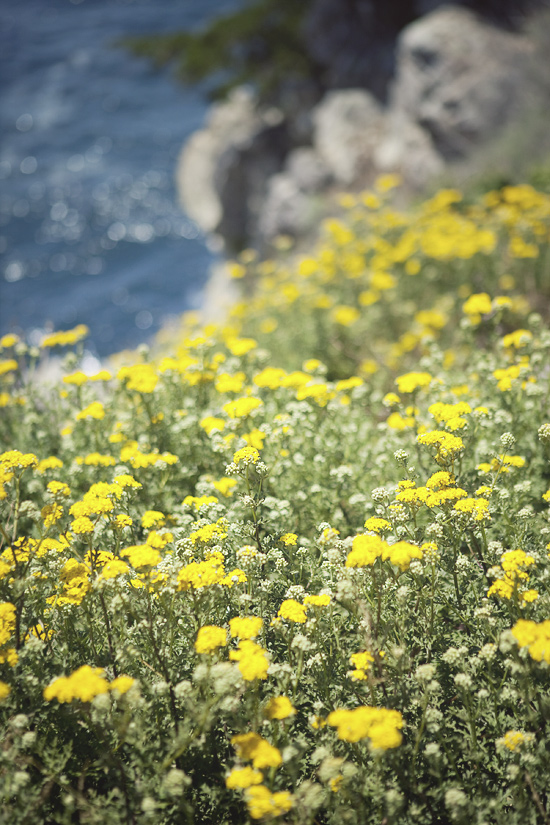
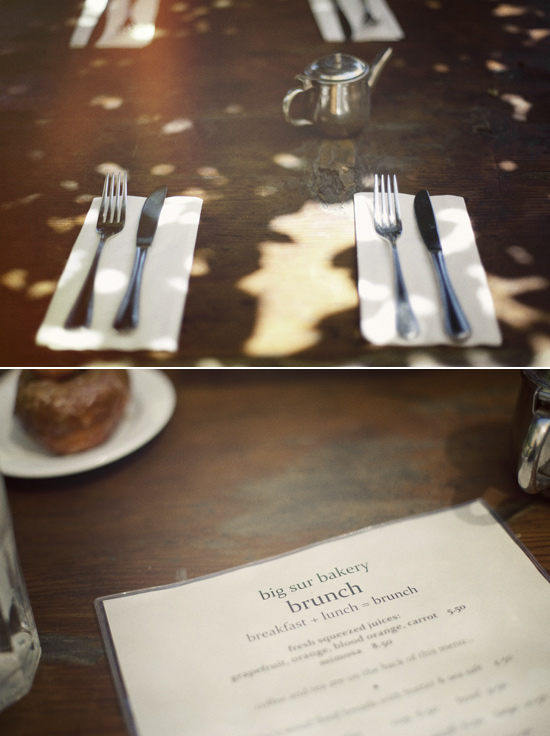
Ever since receiving the Big Sur Bakery Cookbook earlier this year, I’ve been eager to visit this curious little place, a restaurant and bakery that somehow survives in the rugged and unforgiving climate of the Central Coast. In their book, owners Philip and Michelle Wojtowicz and Michael Gilson chronicle a year in the life of their restaurant; it’s filled with stunningly beautiful photographs, seasonal recipes, charming stories and personal accounts, inspirational profiles of the purveyors, farmers, and local characters the bakery couldn’t exist without. Flipping through the pages, it’s hard not to fall in love with with the romantic notion of work and life in this idyllic remote region.
Oh yeah, the bakery was going to be a mandatory stop during this summer’s Big Sur camping trip. Hell, you could even say the camping was planned around a visit to the bakery. Anyways, we made the leisurely drive up Highway 1 on day 3; a bit smoky, scruffy, and definitely hungry.
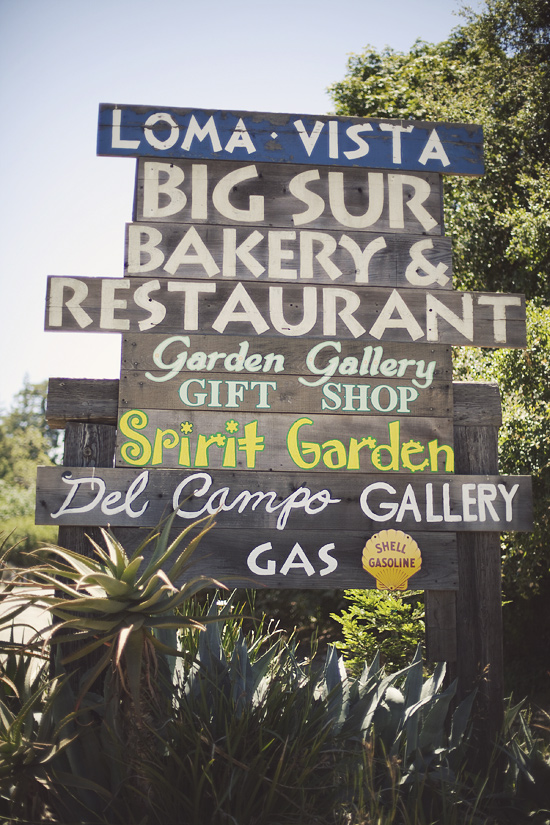
The address simply says Highway 1, Big Sur, CA 93920. You’d think it would be hard to miss but let the awe of the surroundings distract you as it does on the drive there and you might just pass it up.
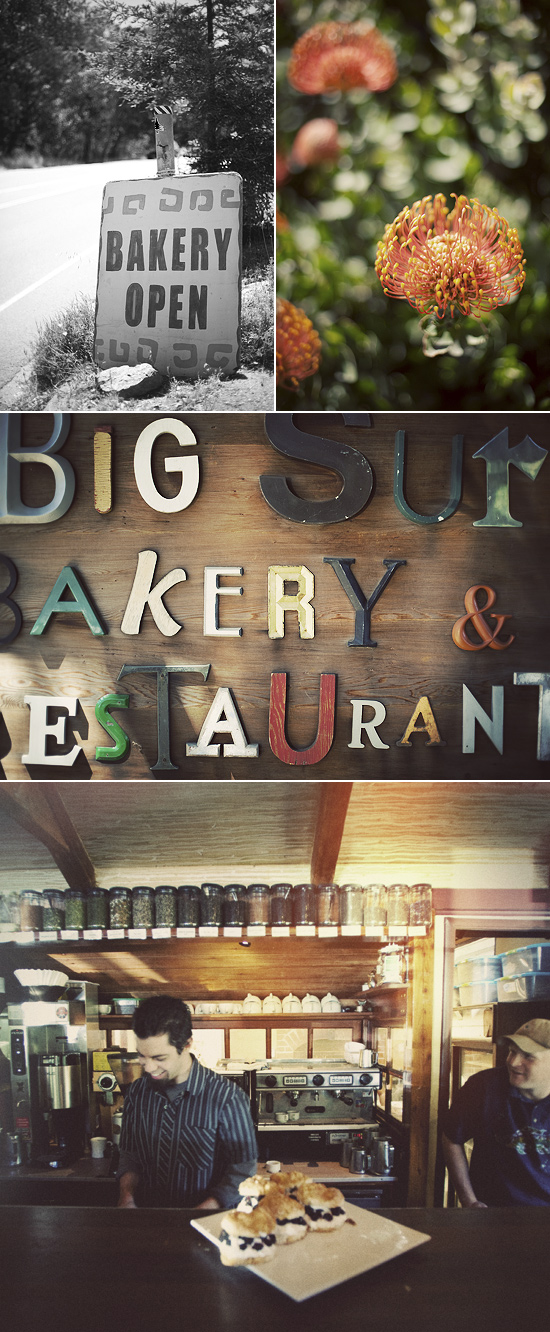
You can order coffee, pastries, and goodies from the bakery, or take a seat for brunch (and even dinner). There’s a beautiful patio outside, and if the weather cooperates as it did on our visit, that’s definitely the place to be.
As far as the food, I’ll let the photos do the talking.
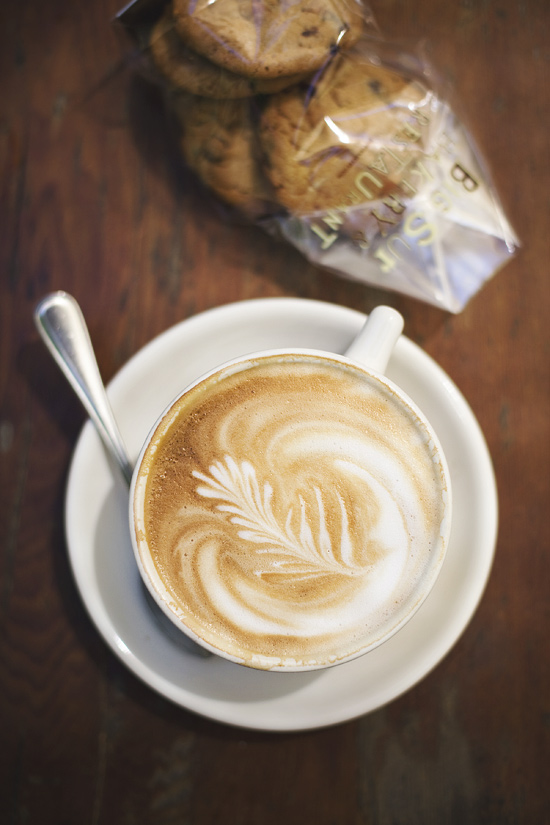
cap and cookies
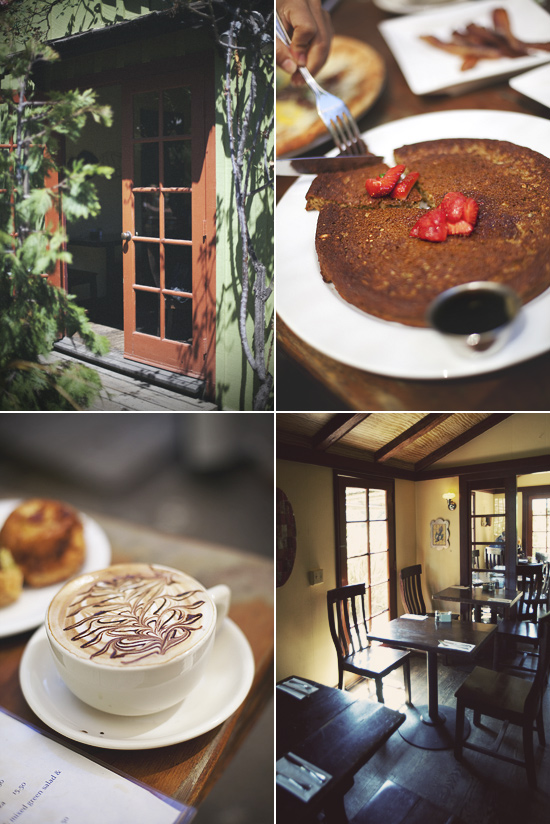
nine grain cast iron pancake; cafe mocha
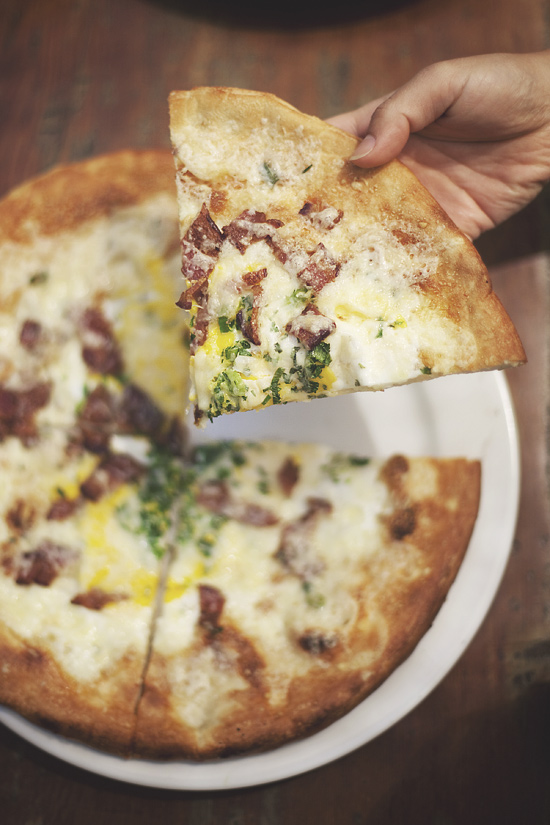
wood-fired bacon & 3 egg breakfast pizza
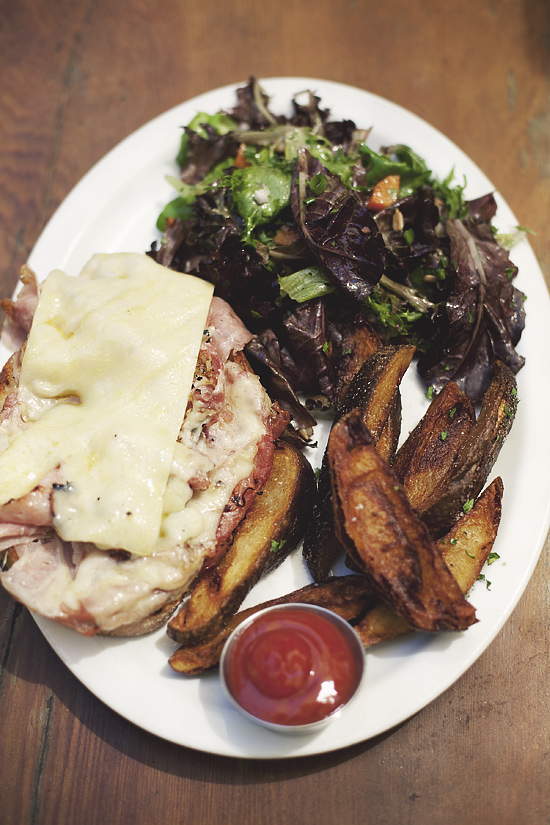
grilled gruyere and ham, mixed greens, and steak fries
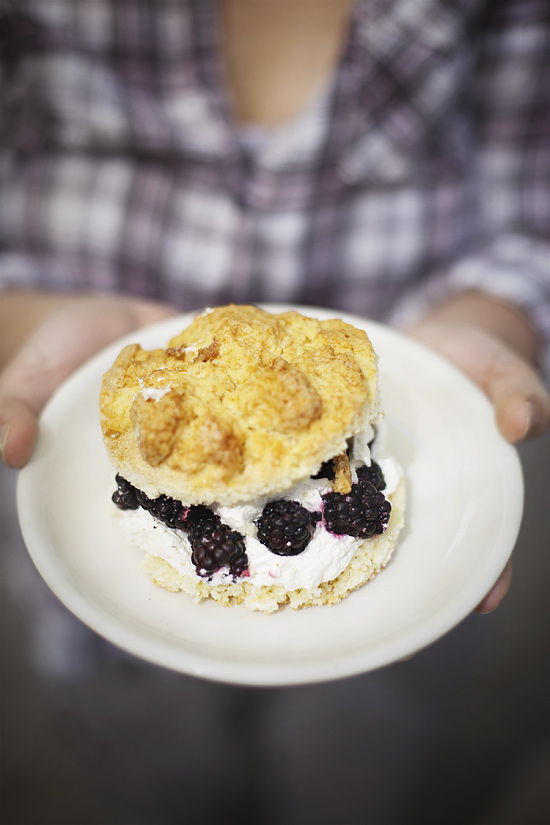
biscuit with blackberries and whipped cream
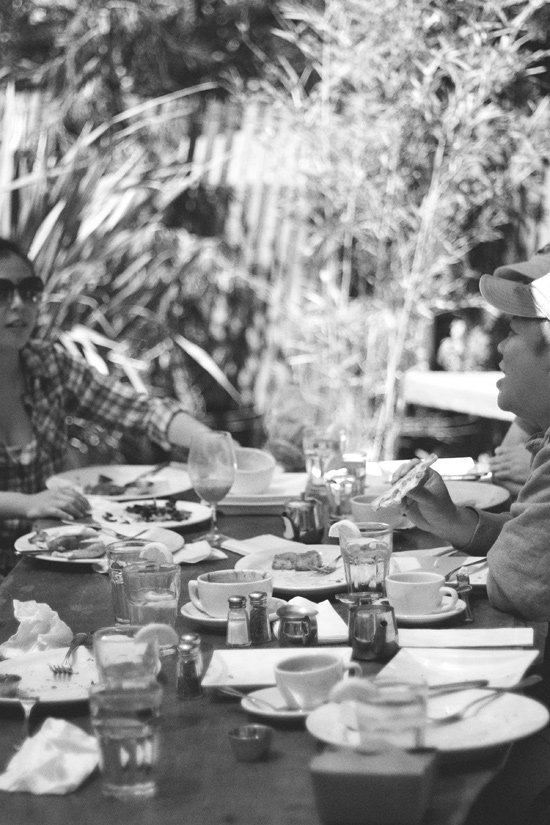
We had a nice lazy brunch, stuffing ourselves silly with caffeine and carbs. Definitely a welcomed break from cooking, cleaning, and feeling all scrubby and greasy at the campsite; but who says you always have to ‘rough’ it?
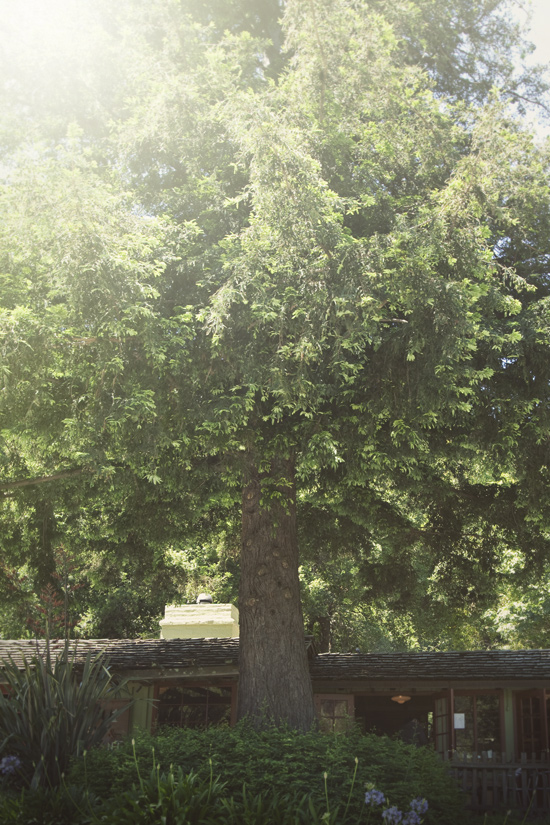
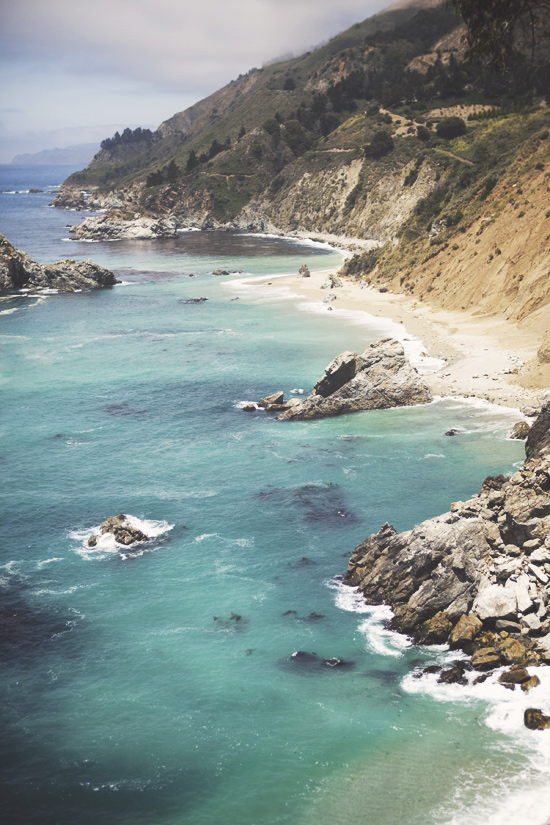
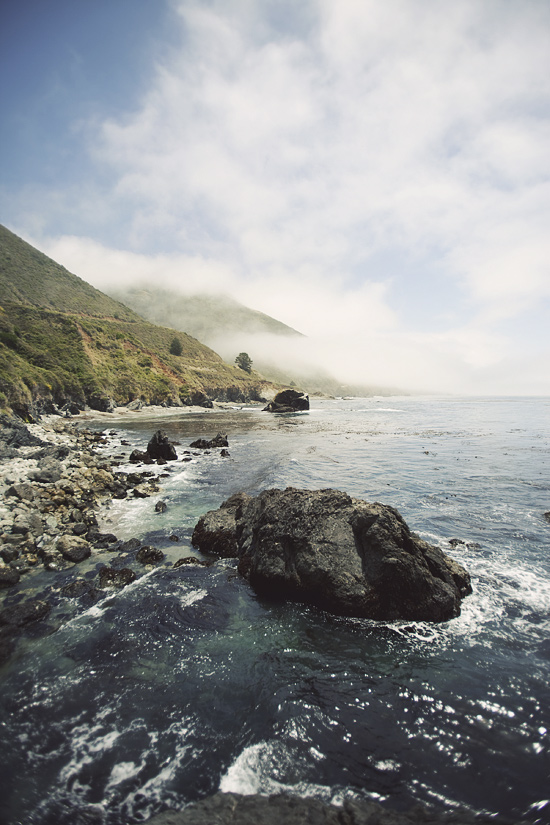
And I leave you with another shot of the coast, just because I couldn’t take enough of these.. bye bye, Big Sur!
Sep 24, 2010
camping a little piece of heaven in breathtaking Big Sur
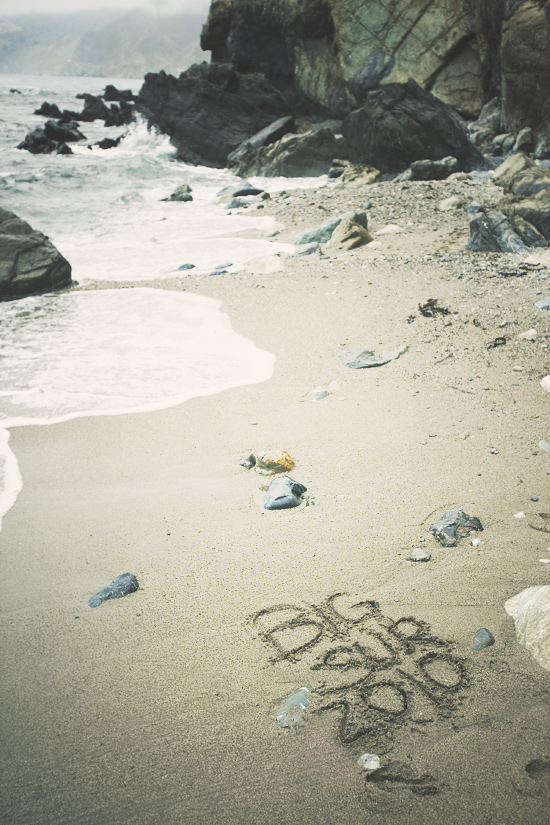
Dipping into the first few days of fall, I’m reminded how fast the seasons go by, and how the days seem to elude us more and more with each passing year. Summer has come and gone, and one my fondest memories was of our trip in late June to Big Sur. Last year’s outdoors excursion in Yosemite was a total blast, and this time we decided to change it up and head out to the beautiful central California coast.
There’s a handful of campsites that dot the rugged coastal landscape of the Santa Lucia Mountains, but I knew early on in the planning process that one near the Pacific was a must (reserving a campsite 6 months ahead is highly recommended, as the spots fill up fast). We settled upon Kirk Creek, 34 sites on a bluff with spectacular views of the ocean (I guess we must have been onto something, as the same campsite was featured in the July issue of Sunset Magazine!).
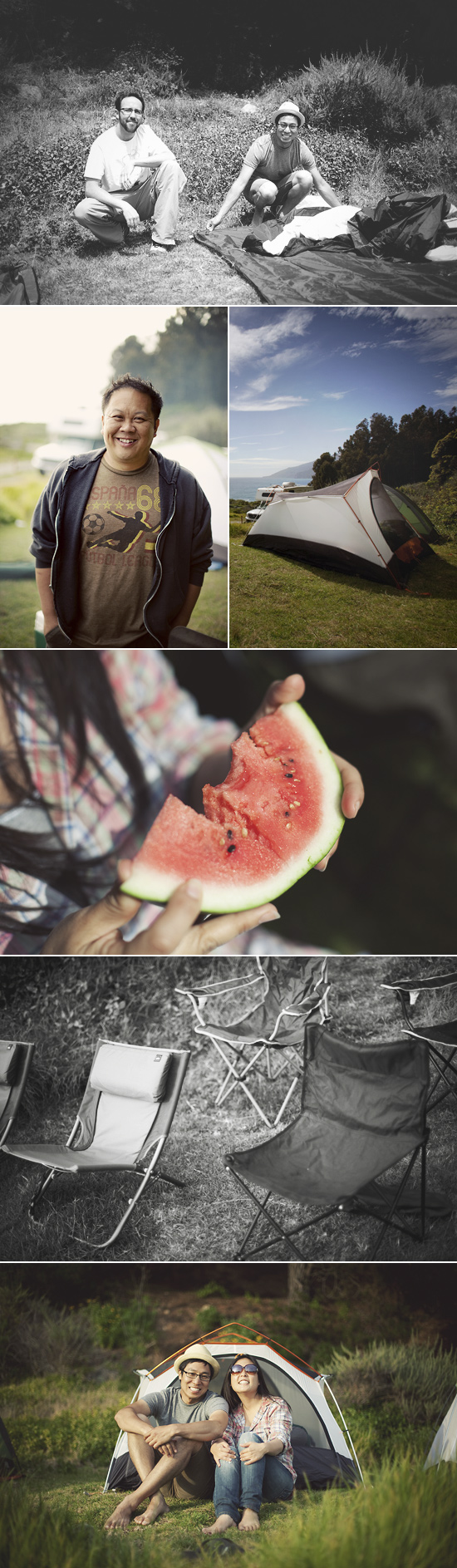
While most of us were coming from Southern California, my friend Gordon made the shorter trek from San Francisco. We arrived in the early afternoon, with my passengers a little nauseated from my spirited drive through the twisties of the incredibly picturesque Highway 1. The welcome as we pulled into our spot could not have been more perfect: a little green oasis tucked below a stand of tall pines; invigoratingly brisk ocean breezes whispered from the Pacific as the afternoon rays peaking through the wisps of clouds sought to warm and loosen our travel-tired bodies. Heaven. We unpacked the cars, pitched our tents, and unwound for the rest of the day by just soaking in the elements, reading, and even sneaking in an ever-indulgent nap or so.
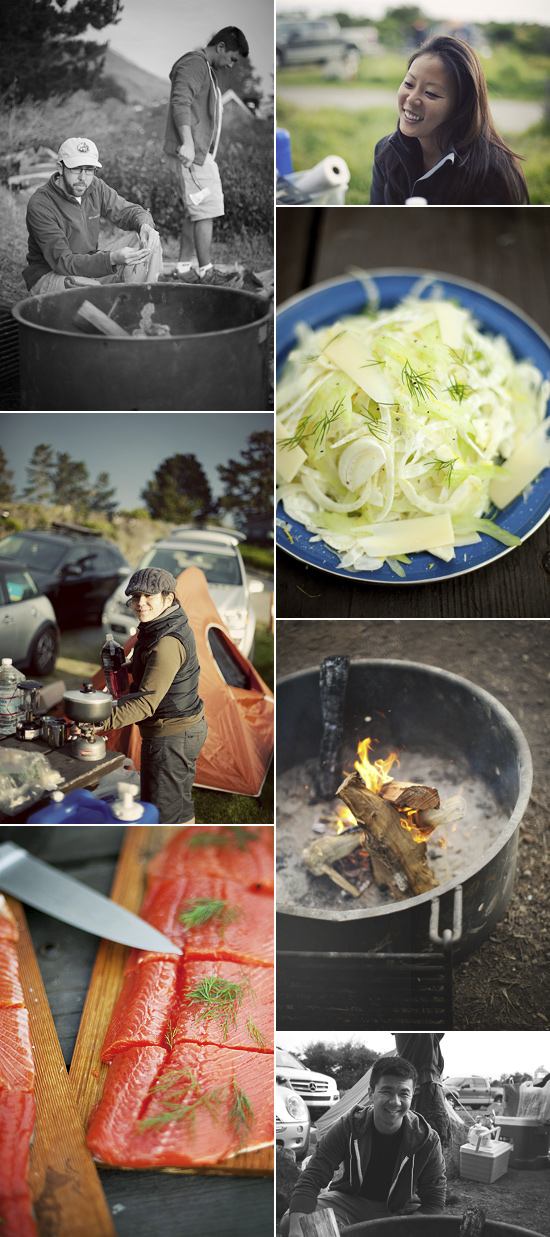
With the last of our group present and unpacked, we settled into dinner prep mode. On the menu for the night: shaved fennel and celery salad with Comté, lemon, olive oil; fire-grilled summer corn; cedar-plank salmon with dill.
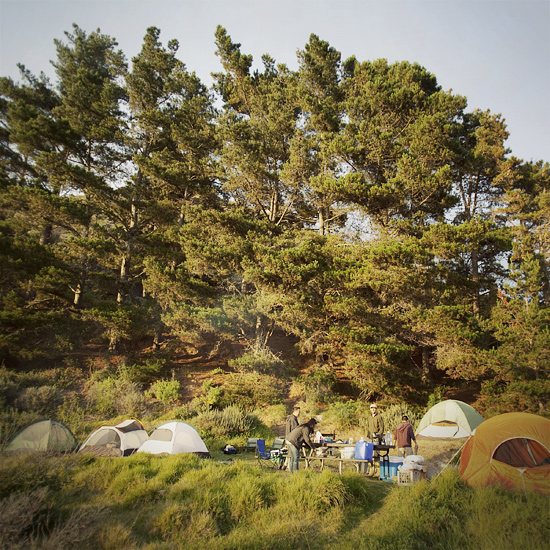
our home for the next 3 days
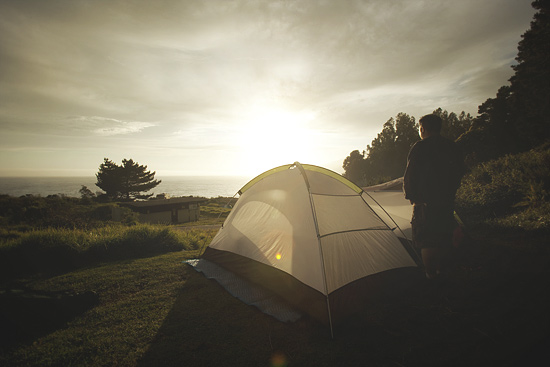
Gordon taking in the last of the day's light
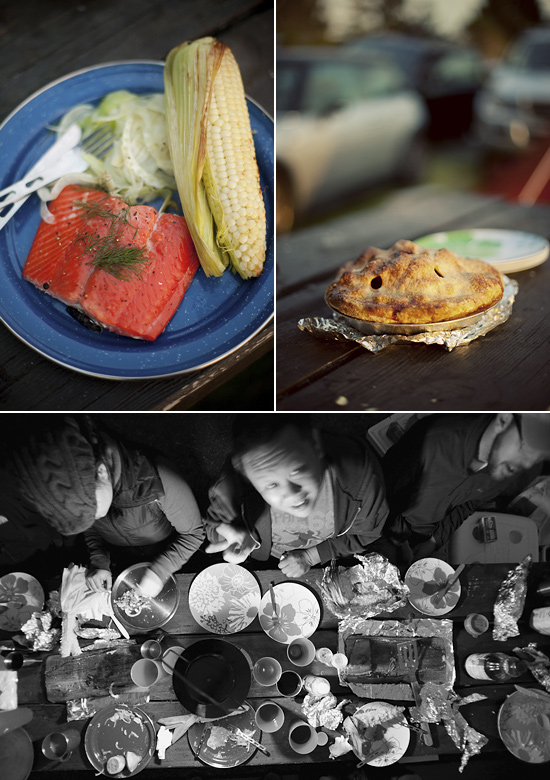
tucking into dinner
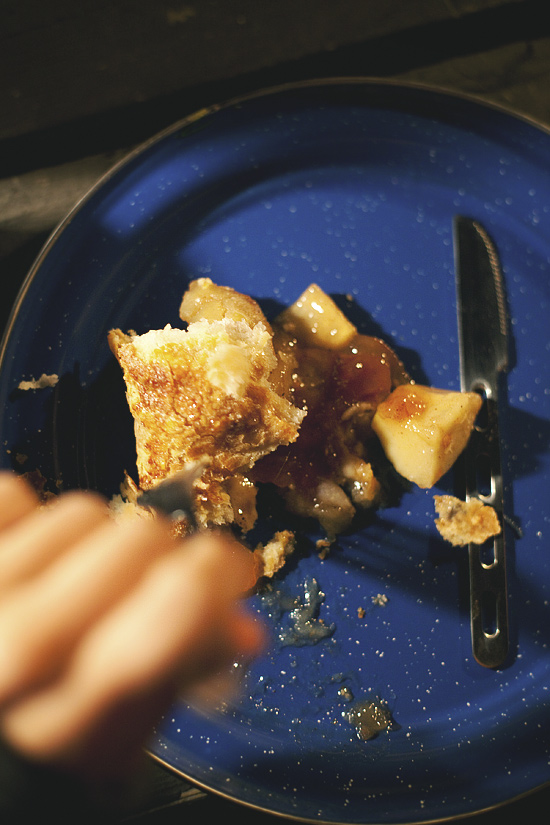
Last but definitely not least, Gordon’s famous apple pie. So damn good. We vowed to bring some ice cream next trip for the first night’s pie. Wouldn’t that be awesome?
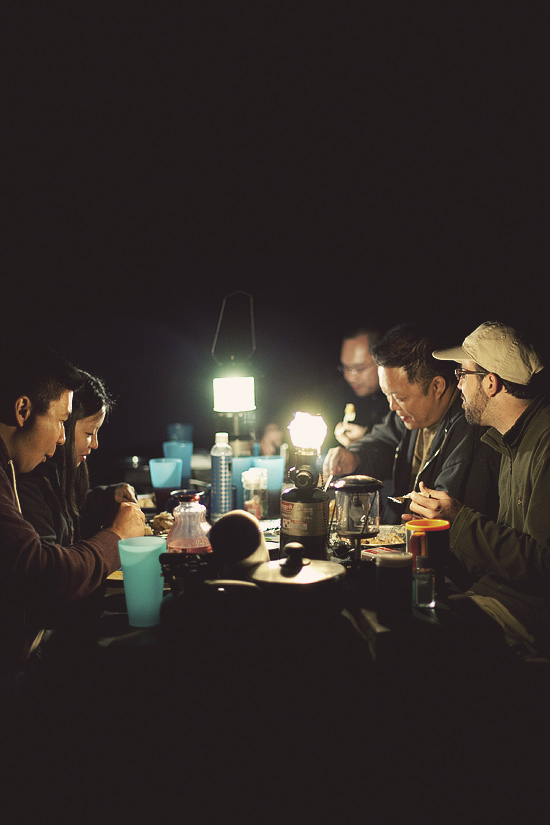
this is what makes it all worthwhile
After being lulled to sleep by crashing waves (yes, so awful i know), we eventually crawled out of the warmth of our tents and started the whole routine again.
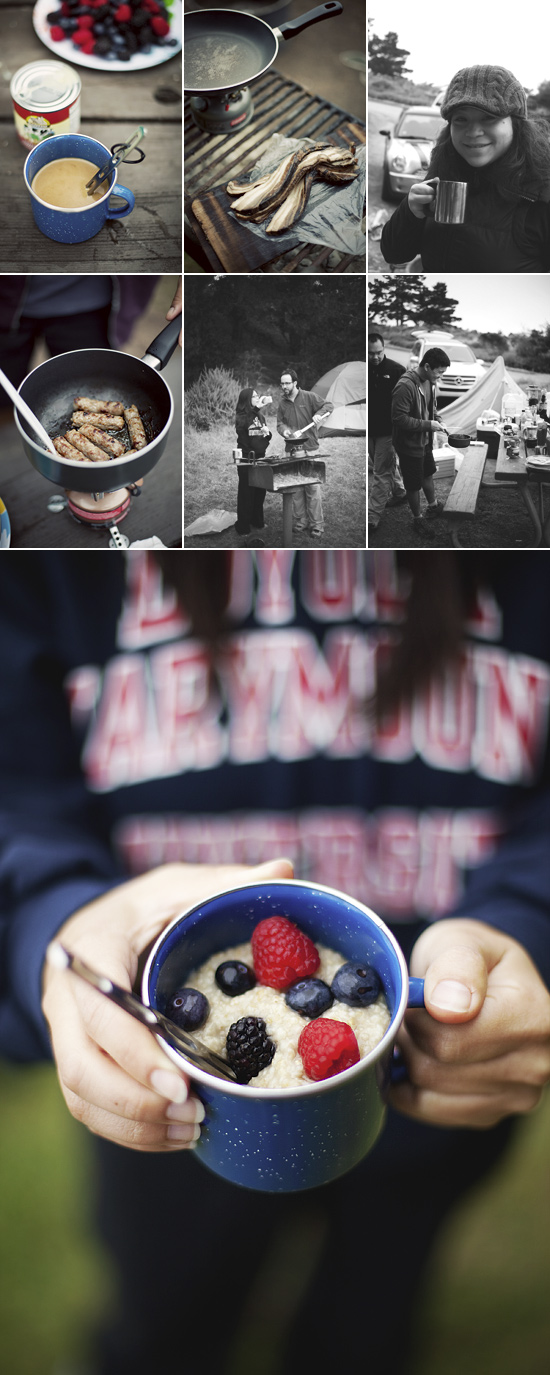
camp cafe sua da; thick-cut Black Forest bacon; Judy enjoying a cup; breakfast sausage; showing off iphone pics; sausages done!; steel-cut oats with summer berries
After a hearty breakfast, we sought to burn off a few calories and headed down the trail adjacent to the site that leads the ocean. It was far from a strenuous hike, so the calorie-burning part was moot, but we were at least rewarded again with more spectacular nature.
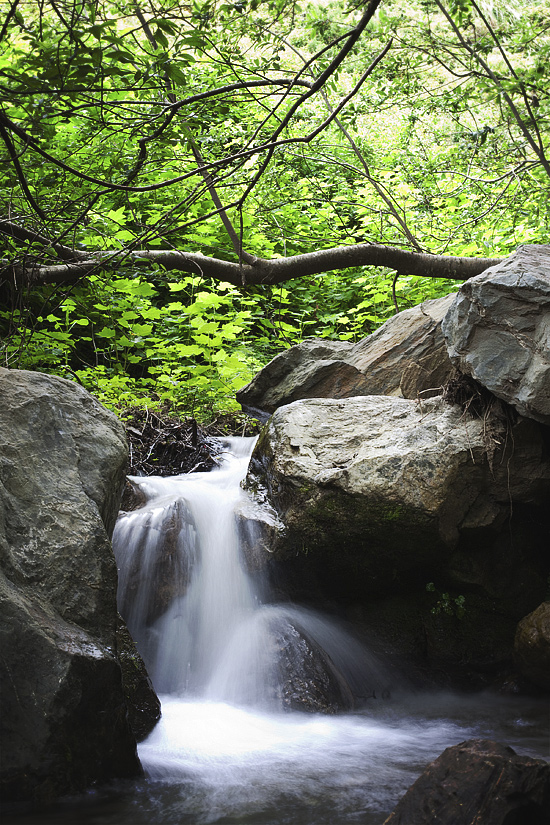
a brook alongside the trail
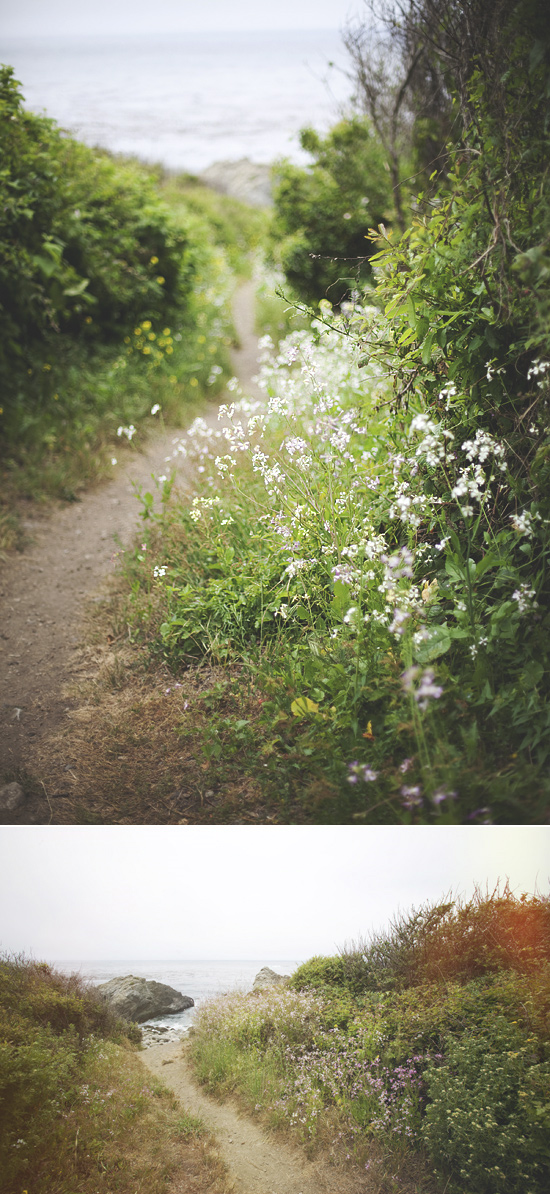
leading up to the beach
The little piece of coastline this trail brings you to is small and secluded, but oh so majestic. We shared this spot with another group or two, but within a few minutes we had it all to ourselves.
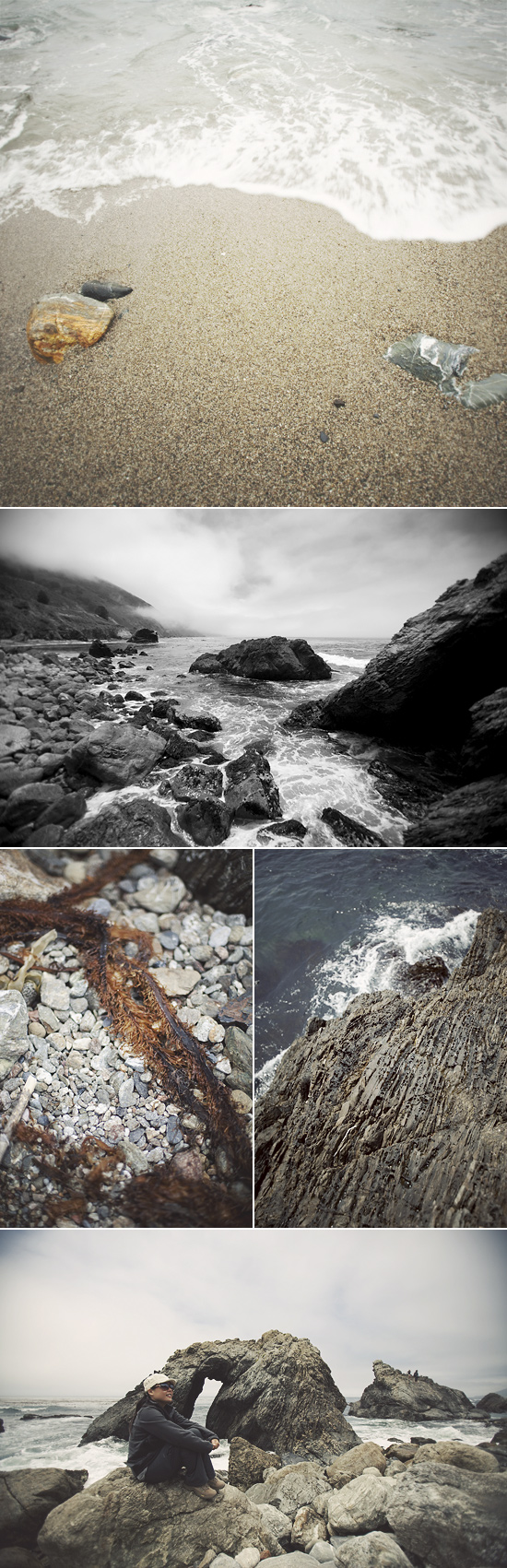
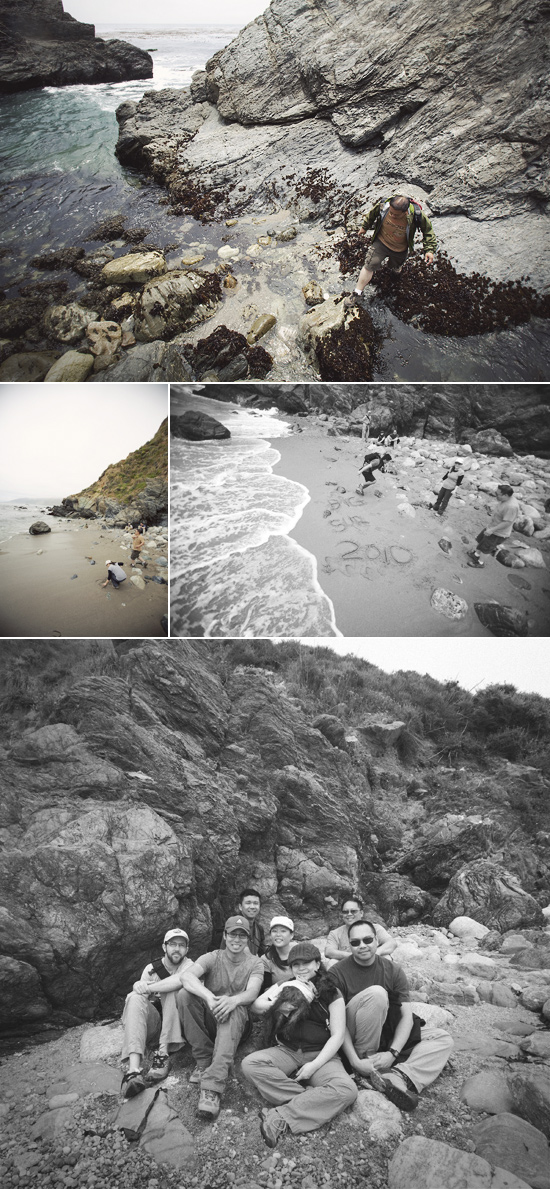
fun climbing rocks, skipping stones, and writing messages in the sand; obligatory group shot
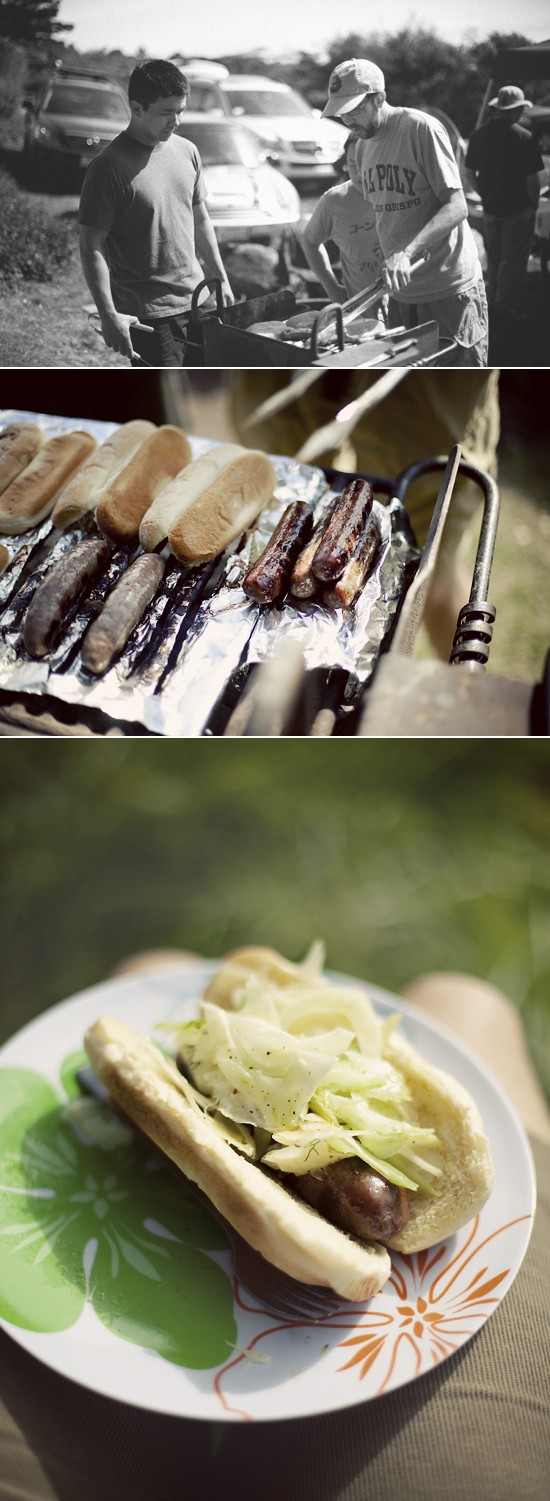
Back to camp and hey, it’s time for lunch! Scott’s grilled brats with leftover fennel slaw.
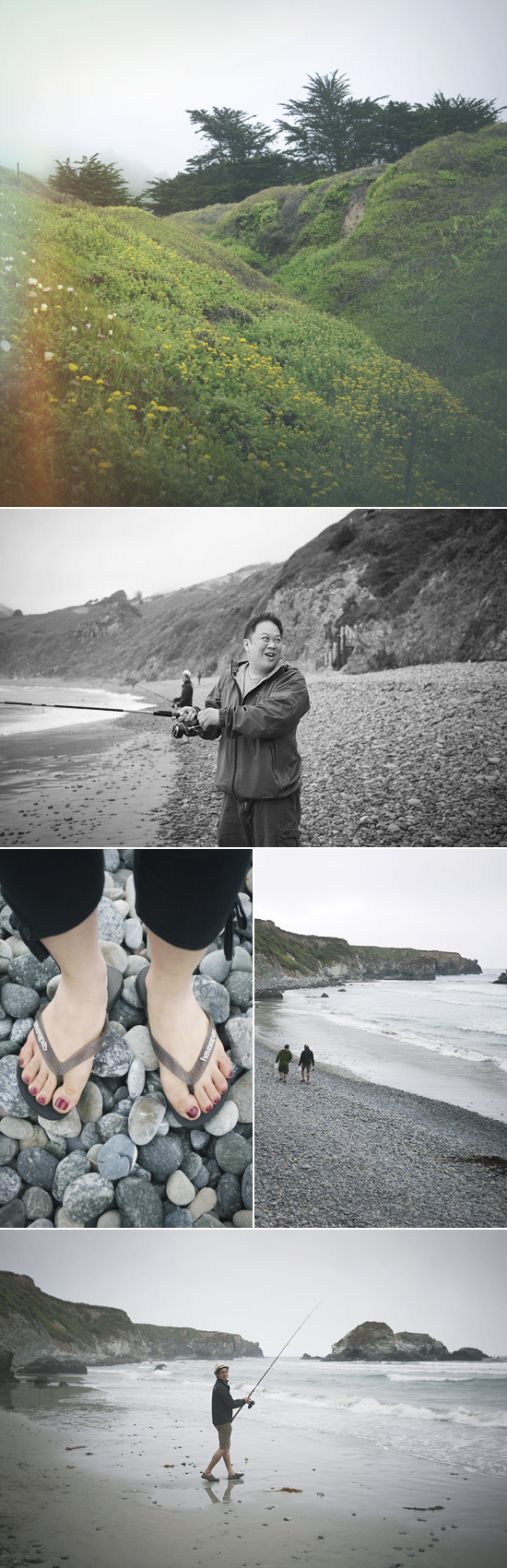
Gordon and I had planned to do a little fishing, so a few of us headed over to Sand Dollar Beach, a few miles south of Kirk Creek. While we didn’t return to camp with some fresh catch of the day, we had a lot of fun goofing off as we usually do.
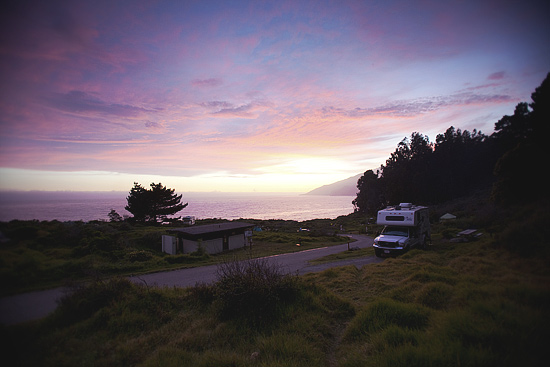
We got back so late that it was already getting dark, so unfortunately no photos of Bora’s Korean BBQ extravaganza, but I can assure you it was delicious! We did get this gorgeous sight though to cap off a beautiful day.
The next day we headed up to the heart of Big Sur, about 50 minutes north of our camp, for a little pampering. By that I mean no cooking for once (a meal out, yay!) and some desperately needed showers (there are none at Kirk Creek, we had to visit a bigger park for their coin-operated showers). We stuffed ourselves with a hearty brunch at the Big Sur Bakery (which I will cover on my next post).
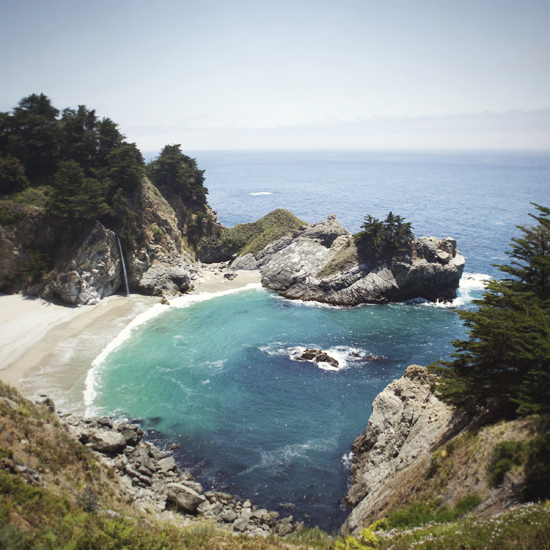
Next, a little sightseeing to catch McWay Falls in Julia Pfeiffer Burns State Park.
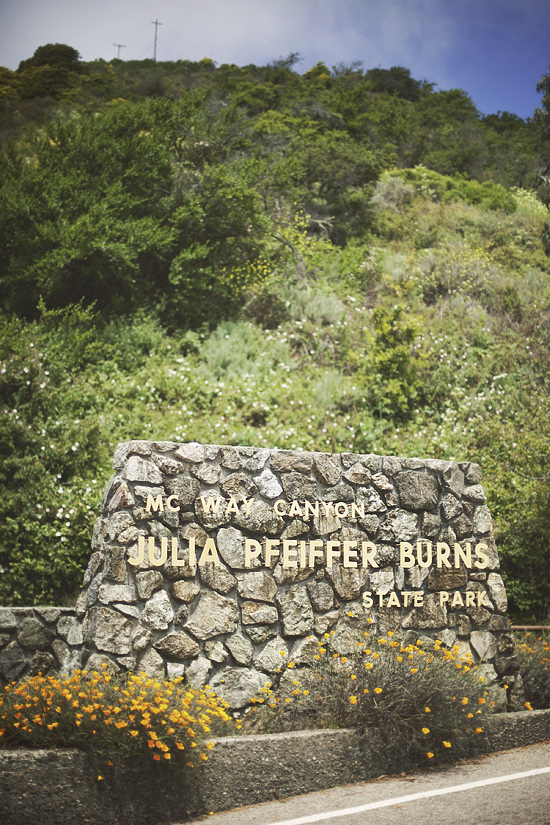
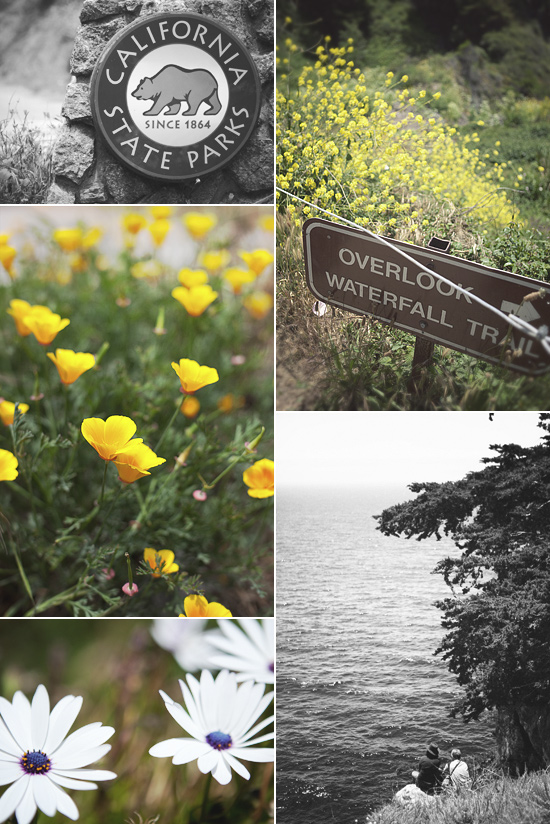
We were a little bummed to not be able to get closer to the falls, but totally understood and agreed with the wishes of Helen Hooper Brown, who gifted the land to the state where the falls are situated, to restrict access thereby preserving the natural beauty of this treasure.
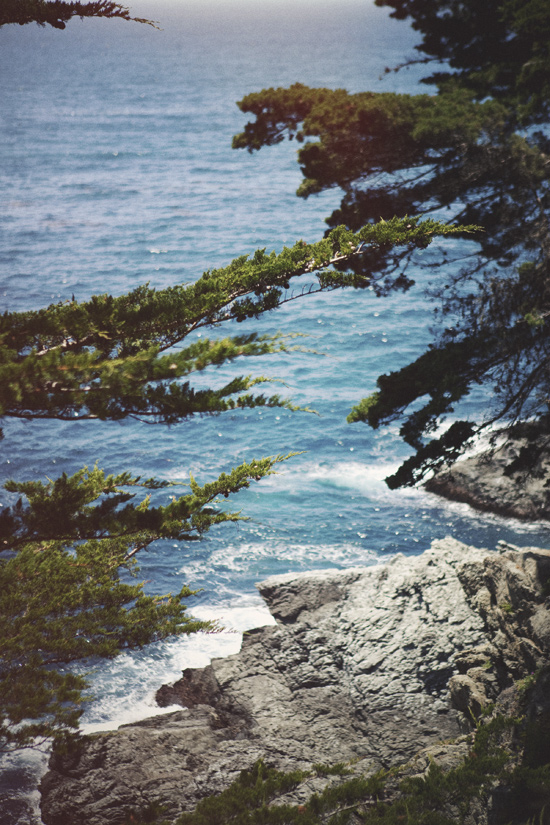
Our last night we enjoyed Gordon’s carne asada tacos (sorry Gordon, no pics!) and savored the last evening together in this beautiful place. Big Sur was just the experience and getaway we needed to recharge our batteries, clear our minds, and get back in touch with the glorious outdoors that we often miss in our hectic lives. It definitely yielded lots of wonderful summer memories, ones I won’t be forgetting anytime soon.
categories
archives
- July 2012
- June 2012
- April 2012
- March 2012
- July 2011
- May 2011
- April 2011
- March 2011
- January 2011
- December 2010
- November 2010
- October 2010
- September 2010
- August 2010
- July 2010
- June 2010
- May 2010
- April 2010
- March 2010
- February 2010
- December 2009
- November 2009
- October 2009
- September 2009
- August 2009
- July 2009
- June 2009


